
.svg)
.svg)

Ever find yourself buying something online when you were initially browsing? Maybe a product page caught your eye, or a headline made you pause, and before you realized it, you'd hit "Buy." That's the effect of carefully chosen language. Trigger words work behind the scenes to guide attention and nudge decisions.
These are the words to make people convert. They help turn casual interest into real action by appealing to urgency, curiosity, or value. When used strategically in your content, they remove hesitation and encourage the reader to take the next step.
That's why trigger words are so valuable in content marketing, especially in industries where the payoff is high. Legal, financial, and tech brands invest heavily in keywords that convert because every word counts when the customer journey is short and competitive. But what words make people want to buy, and why do they work?
What Are Trigger Words?
Trigger words — also known as buying words or conversion keywords — are powerful tools in your marketing arsenal. They're emotionally charged and psychologically persuasive, designed to nudge your audience into action. Whether it's clicking a button, signing up for a list, or making a purchase, these are the words to make people convert.
There are two main types of trigger words:
- Action-driven verbs: These verbs highlight what your audience can do or achieve with your product or service.
- Emotionally resonant terms: These are the words that tap into desires, fears, or aspirations and keep readers engaged.
Trigger words act as subtle persuaders, guiding your audience toward the action you want them to take. With the right phrasing, you can prompt decisions before hesitation creeps in.
Why Use Trigger Words for Sales?
Trigger words are conversion tools that influence how people perceive value and urgency. When placed strategically, they help move prospects through the sales funnel by guiding attention and prompting timely action. The right language makes your message feel more relevant and persuasive at each stage of the decision-making process.
For example, a phrase like "Start for free" lowers perceived risk and encourages immediate action, especially with new users. A word like "limited" signals scarcity, which can push someone to act before they miss out. These choices may seem minor, but they have a direct impact on click-through rates and sign-ups.
Trigger words work because they reduce friction at critical moments. In your content, they clarify what your audience should do next and why it matters right now. When the language in your content aligns with the reader's intent, conversion becomes much more likely.
32 Persuasive Words That Sell and Convert
Buying words are a powerful force for your marketing efforts, but which words are most effective for your target customer? Below, you'll find a list of 32 buying words that make sales, pulling in your audience and convincing them to keep reading. You can refer to this buying keywords list to develop more persuasive headlines, CTAs, and ads.
Emotional Trigger Words
Emotions shape how people make decisions. Even buyers who rely on logic are still influenced by how your message makes them feel. That's what makes emotional trigger words so effective. They create a direct line between your offer and your audience's underlying motivations.
These words can carry either positive or negative emotional weight. Terms like "win," "transform," or "achieve" evoke optimism and ambition. On the other hand, words like "avoid" or "resist" speak to caution, fear, or frustration. Both types play a role in conversion-focused copy by helping your audience recognize what's at stake and what they stand to gain.
Used intentionally, emotional trigger words make your content feel more personal and more urgent. They help readers move past hesitation and feel more confident about taking action.
1. New
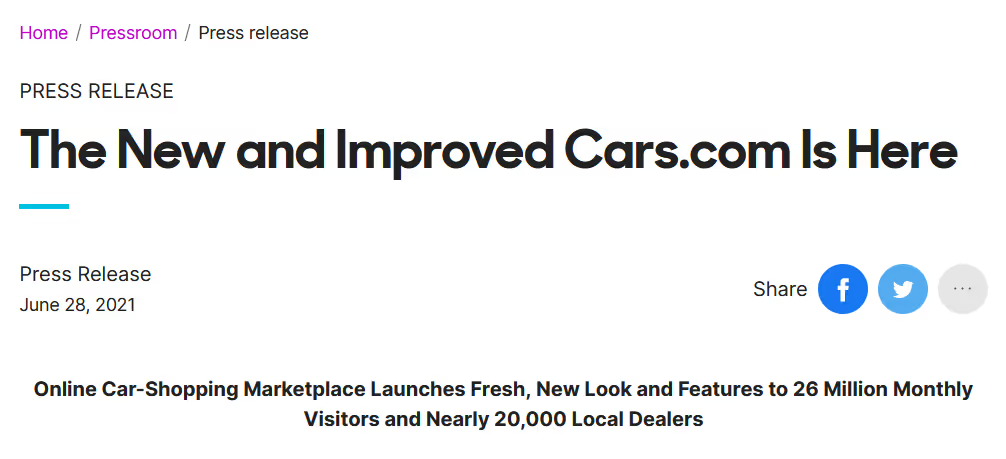
People like novelty. If something is considered "new," it's perceived as "better" and more attractive. Using the word "new" in your copy can intrigue readers and make the advertised product or service more appealing. This press release from Cars.com highlights how the new site represents a significant improvement, making the business a more attractive investment.
2. We
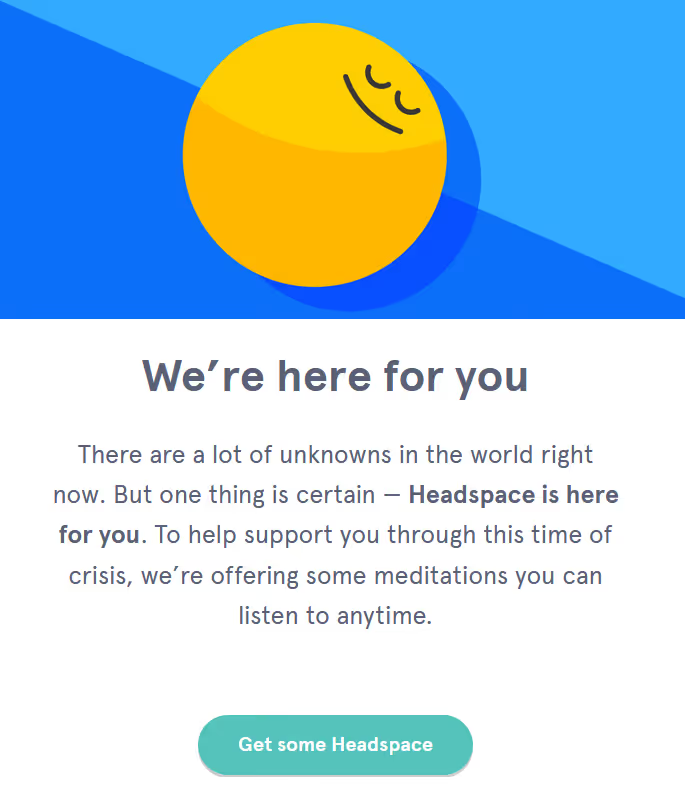
Brands can come off as blank monoliths. Using "we" to refer to your business or customer base adds a personal touch to your messages. It also helps make the reader feel like part of a community. Headspace uses "we" to humanize its brand and support its reputation for keeping its audience's well-being.
3. You
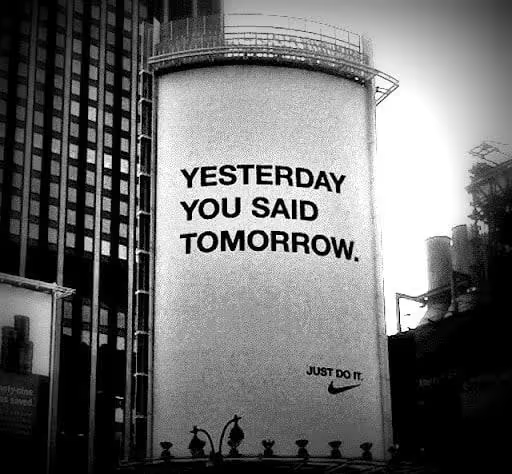
People tend to care more about things that directly affect them. That's why using "you" in your copy can make a significant difference. Something as simple as directly addressing the reader can significantly impact your audience's perception of your message. Nike has made the most of this with the empowering phrase "Yesterday you said tomorrow," holding the reader directly accountable for their actions.
4. Build
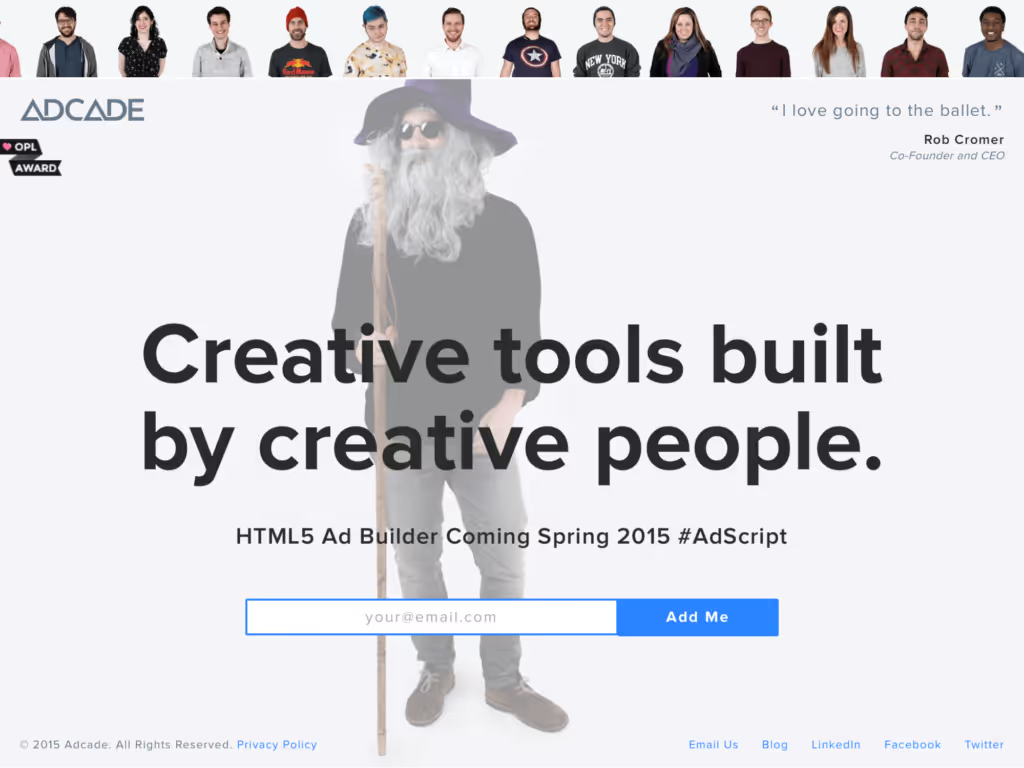
If your audience prides itself on self-sufficiency, the word "build" can have a significant impact. This word gives your audience agency while reinforcing that your brand will help them achieve their desired goals. You can also use it to strengthen your own brand's creativity and competency, like Adcade does below.
5. Conquer
There aren't many more powerful words, period. Using this verb in your ad copy lets your audience feel commanding and in control. Falken Tire makes the most of this by pairing the word with an impressive image, positioning itself as a brand that supports its customers' pioneering spirit.

6. Avoid
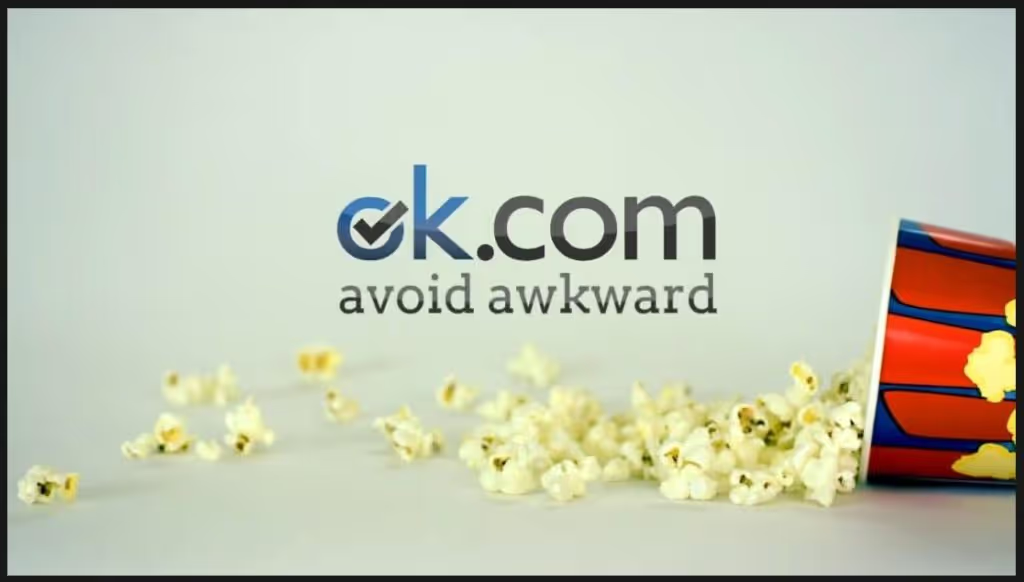
Sometimes, a product or service is developed to prevent, not provide. The word "avoid" can be powerful for drawing in prospects who want help preventing a problem entirely. This OK.com video covers how using the site helps the watcher avoid awkward situations altogether.
7. Improve
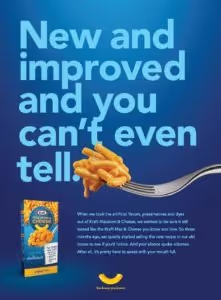
Everyone wants things to be a little better. The term "improve" is a versatile buying word that can be used throughout your copy to get people excited about the solutions your brand offers. Kraft makes this work for the brand by stating that its macaroni and cheese has gotten better without changing what the reader wants.
8. Master
Brands focusing on learning, quality, and expertise can use "master" to great effect. Telling your audience that your brand can help them master new skills speaks to their desire to improve themselves and show off. The site Master Your Card makes the most of this in its ads to reinforce the Mastercard brand and establish its position as an authority.
9. Resist
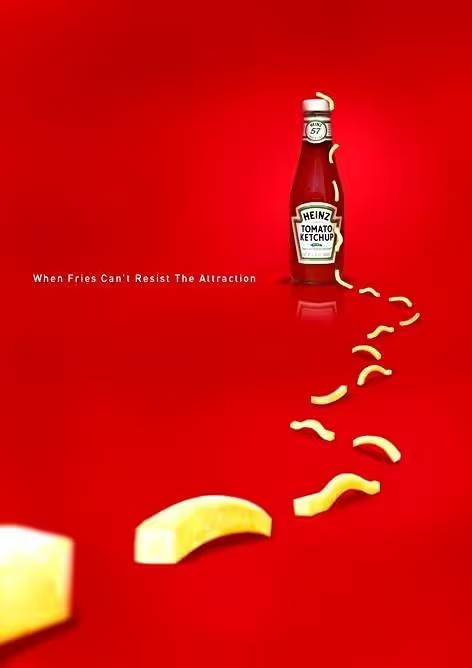
This word is often paired with "can't." Stating that your audience "can't resist" your product or service permits them to indulge themselves. Heinz uses the word to position its ketchup as desirable and an irresistible part of the french fry experience.
10. Transform
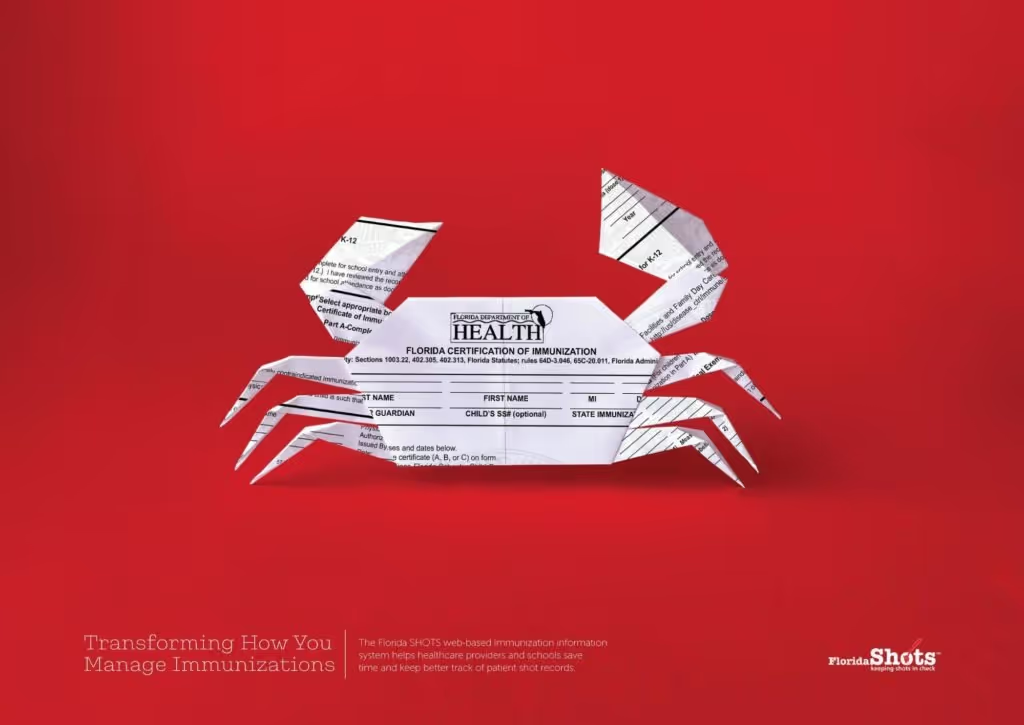
This word has a powerful implication of a complete change for the better. Use it to explain to the reader how your brand will make their lives easier. The Florida Department of Health uses the term to encourage immunizations by describing how they simplify the process.
11. Win
Everyone likes winning. By describing how your brand can help people win things — respect, free time, promotions, money, friendships — you give readers a powerful reason to follow your CTA. This Interplay IT ad uses the word to trigger competitive spirit and ambition, then tells the reader that working with the company will help them accomplish their goals.

Positive Words
Positive words help readers feel encouraged, capable, and ready to act. They show that taking the next step will lead to something better. While emotional words may tap into urgency or discomfort, positive trigger words rely on motivation and clarity. They give people a reason to feel good about moving forward.
These words are often associated with ease, improvement, or immediate benefit. Words like "enjoy," "discover," or "start" create a sense of progress without pressure. They suggest that action is simple and rewarding, which lowers resistance and builds momentum.
In conversion-focused copy, positive words help your message feel more like an opportunity than a pitch. They create a tone that's friendly and motivating, which makes it easier for readers to say yes without overthinking it.
12. Because
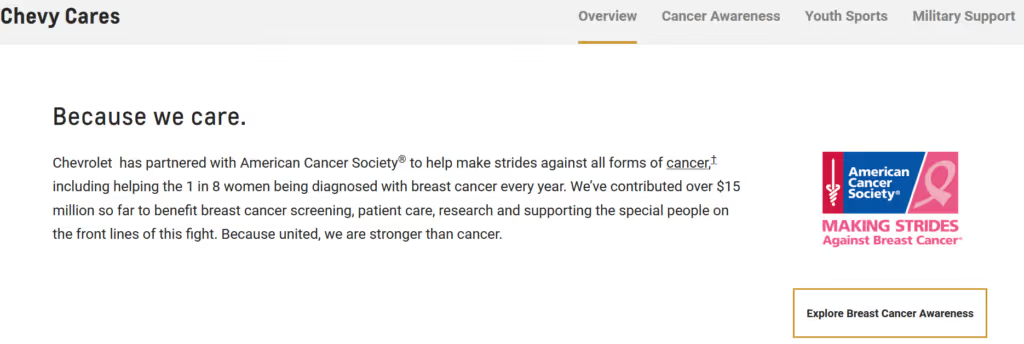
When trying to convince someone to do something, it's essential to provide a reason why. "Because" can act as part of your explanation or as part of your title. The word can be used or implied, but the important thing is to explain why people should do the thing you're suggesting. Chevy uses it to explain why it's donating to charity and why people should like the brand.
13. Create
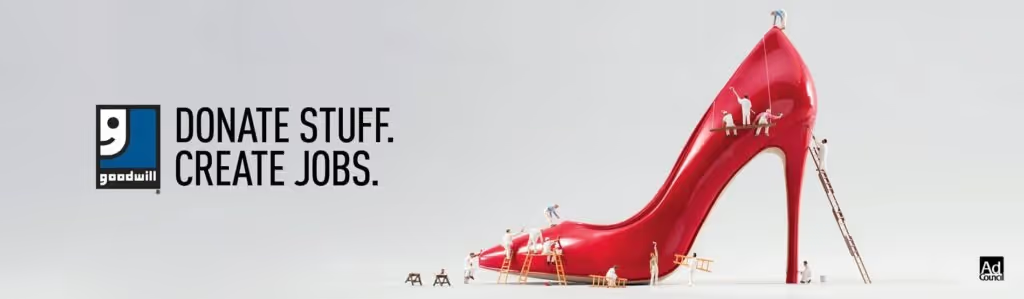
Most people like to see themselves as creative types. Using this word in your copy lets your audience connect with a creator archetype, whether it's something artistic or more practical. Goodwill uses the word to help people feel better about taking an action that's already good for them.
14. Deliver
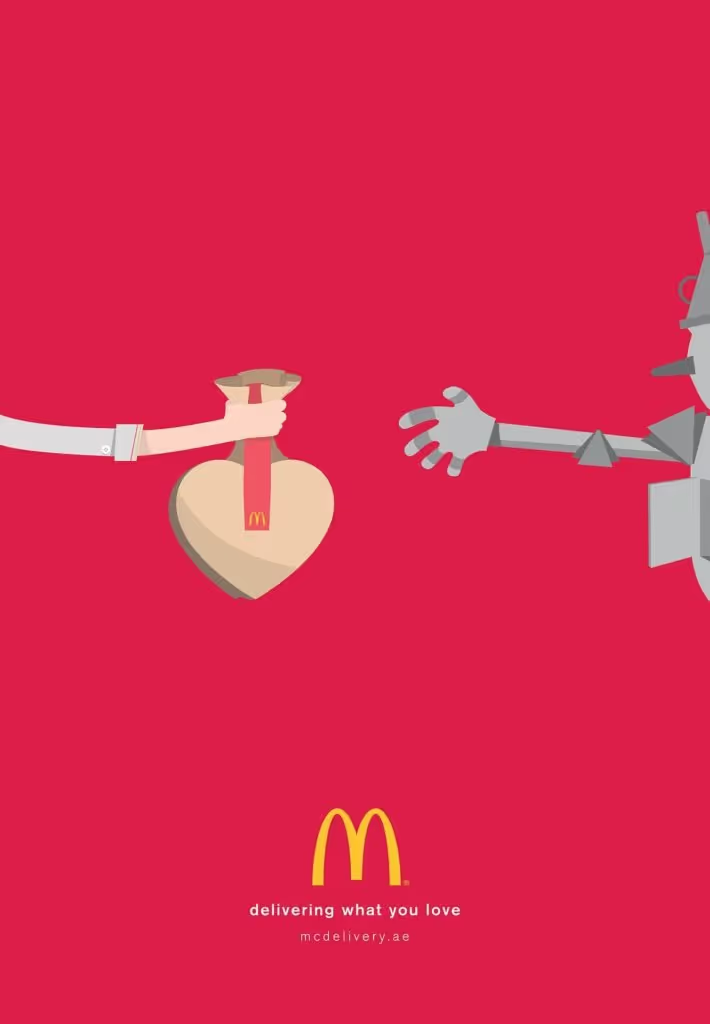
The world has discovered the convenience of easy delivery. If you offer delivery, adding the word to your copy can attract a convenience-oriented audience who will appreciate your extra service. McDonald's did just that with its clever ads for its delivery service.
15. Explore
If your audience is on the daring side, you can use the word "explore" to encourage them to learn more. This word is excellent in CTAs designed to get people to click through to landing pages. Jeep reinforces its reputation as an adventurous brand with the word explore in this simple ad.

16. Achieve
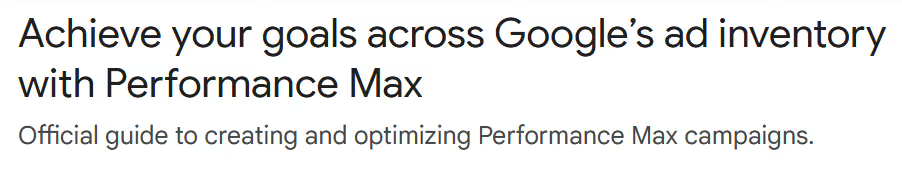
Modern culture is all about doing more and better. The word "achieve" is a great way to trigger people's desires to meet their goals. Slip it into titles and CTAs to make the most of your audience's ambition. Google makes its Performance Max tool guide powerful by starting the title with "Achieve," hooking the reader from the very beginning.
17. Imagine
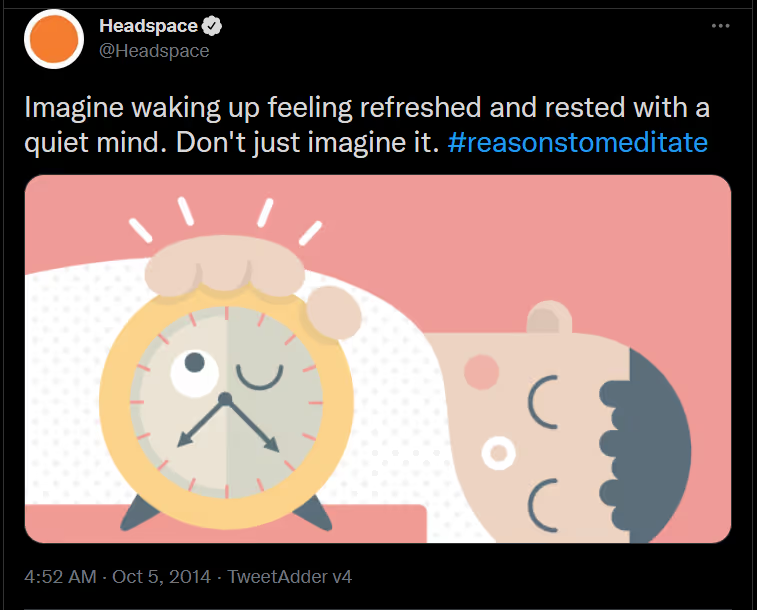
A large part of marketing is getting people to imagine the future with your product or service in it. You can use the word to directly trigger that process. In the Tweet below, Headspace uses the term to encourage the reader to imagine engaging with their app and how that might improve their lives.
18. Simplify
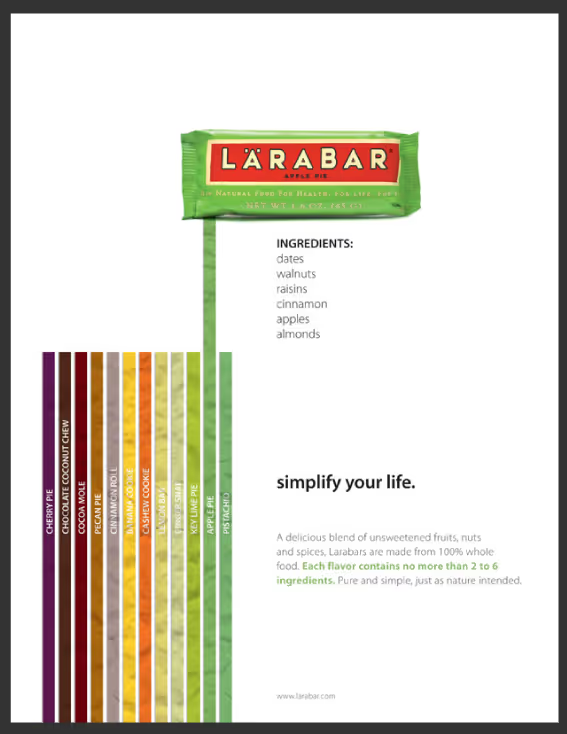
A major trend in the modern world is simplification. Your audience probably wants to make things easier somehow, and your brand should help with that. You can use "simplify" to explain how your brand will relieve the prospect's pain points. LÄRABAR does this in a minimalist ad that lists all the ingredients in its bars and implies that this will improve the reader's life.
Words That Create a Sense of Urgency
Urgent words are designed to shorten the decision-making window. They tell the reader that waiting comes with a cost, whether it's missing out on a deal, falling behind, or losing a chance to act. When used well, these words push people to take action in the moment instead of putting it off.
Phrases like "limited time," "last chance," or "now" signal that hesitation could lead to loss. That subtle pressure is powerful. It interrupts passive reading and triggers a faster response by making the offer feel time-sensitive and important.
Urgency works best when the message is clear and credible. Used in moderation, urgent words create momentum without feeling pushy. They're especially effective in headlines, CTAs, and anywhere you need to convert attention into action quickly.
19. Instant
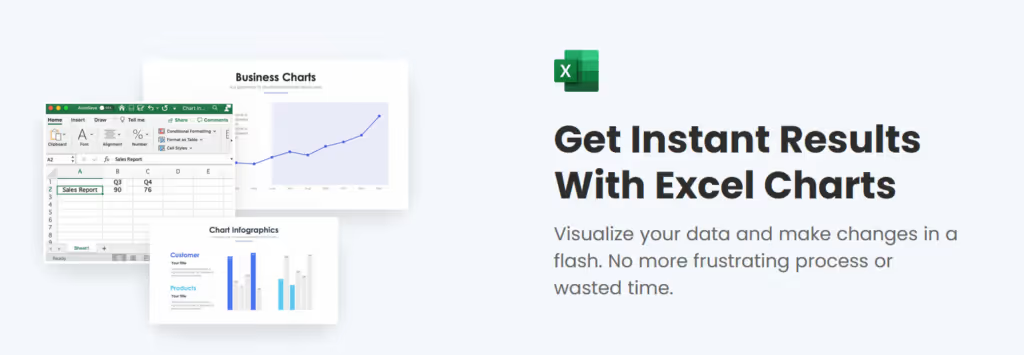
No one likes to wait around. If you can honestly use the word "instant" to describe your product, whether it's fast results or response times, then do so. It appeals to the desire for immediate gratification and promises that you won't waste the reader's time. Slidequest uses it to imply that the reader will save time at work.
20. Now
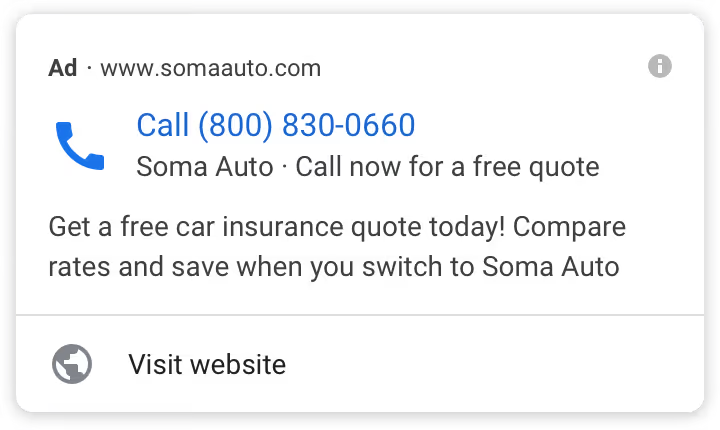
This word can have multiple purposes in your copy. It can be part of your CTA ("Call Now!"), or you can use it in titles and taglines ("Now's the Time to Find Sales"). Either way, it creates a sense of urgency that encourages people to click and overcomes hesitation. The Google ad for Soma Auto below uses "Call Now" as a strong call to action.
21. Act
The word "act" is found in millions of CTAs. "Act Now" would be a cliché if it weren't such an effective phrase. The UN has developed an entire campaign around climate change titled "Act Now" to make the most of this effect.

22. Fix
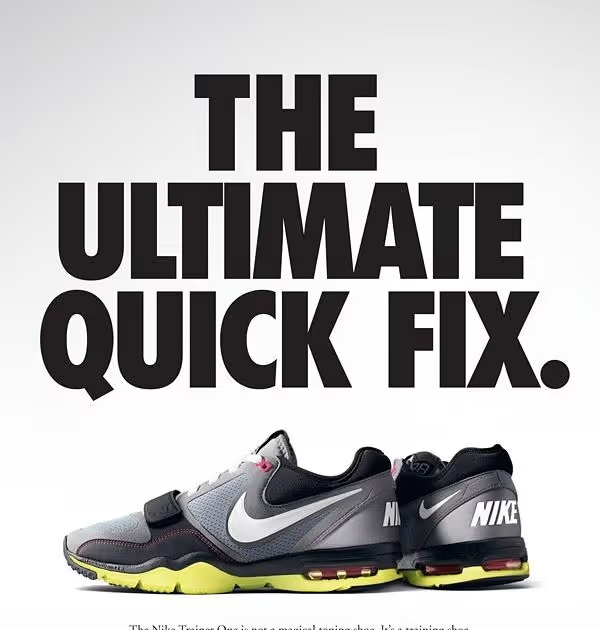
One of the simplest buying keywords is "fix." Consumers look for brands that can solve their problems. The word "fix" specifically declares that your brand will do just that. Nike uses this to great effect in its Ultimate Quick Fix shoe ad.
23. Limited
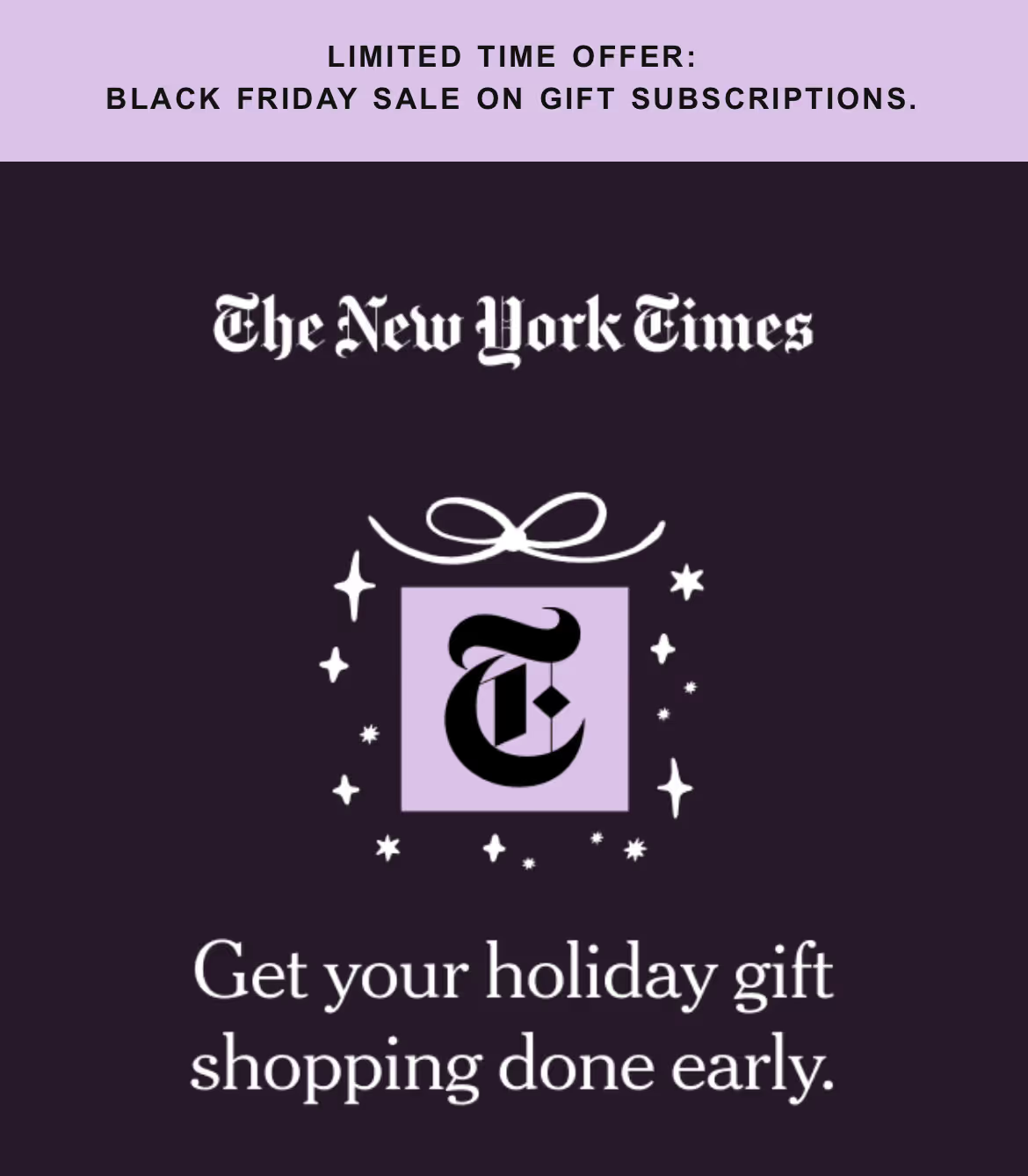
Scarcity drives action. The word "limited" tells your audience that the offer won't be around forever, which can push people to act sooner rather than later. It taps into a fear of missing out and creates a sense of urgency that encourages faster decision-making.
In this example from The New York Times, the phrase "Limited Time Offer" appears right at the top of their Black Friday promotion for gift subscriptions. It immediately sets expectations and lets the reader know they need to act quickly if they want to take advantage of the deal. Paired with holiday messaging, it reinforces the idea that this is a timely opportunity that won't last.
24. Hurry
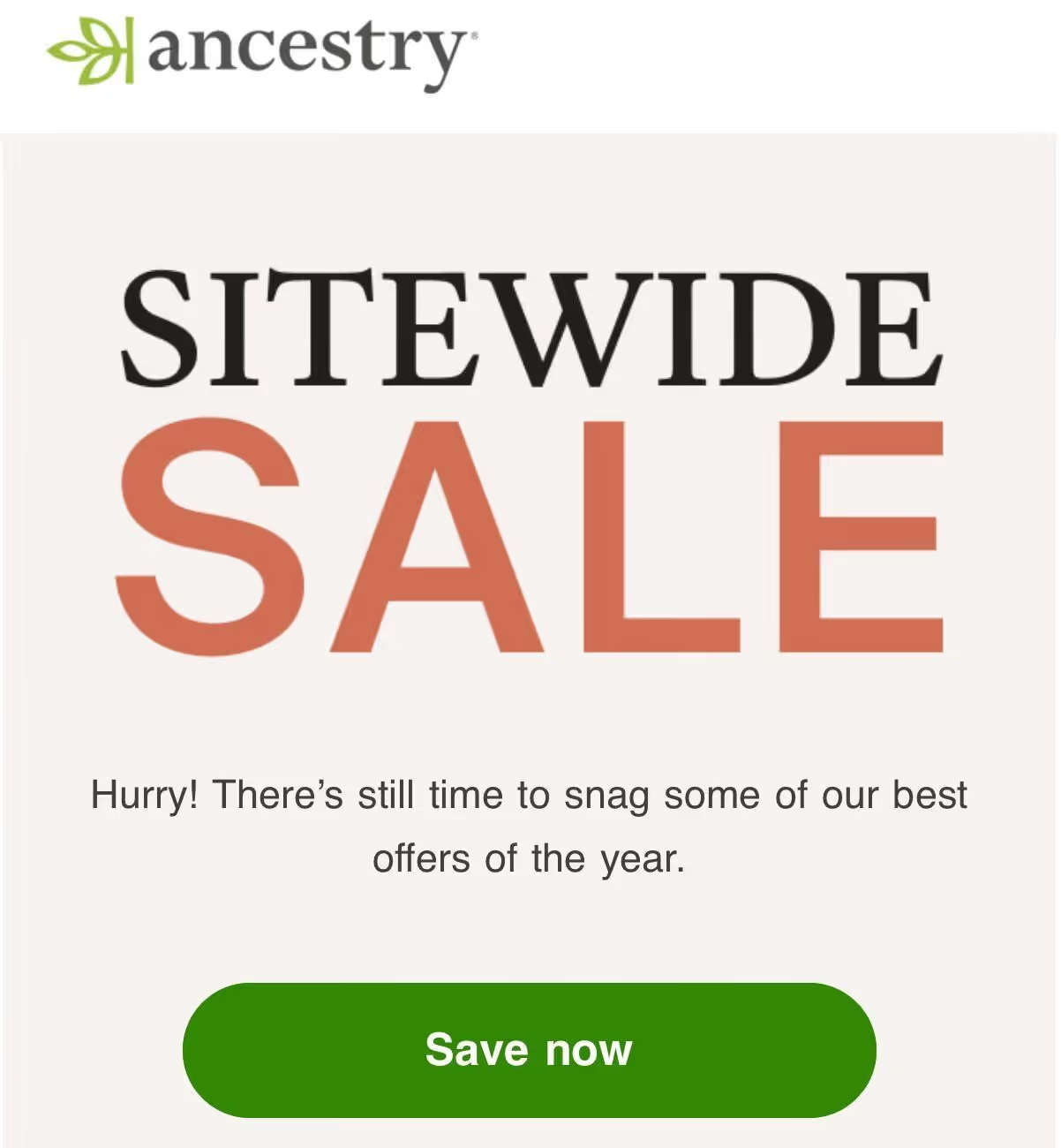
"Hurry" is a direct and powerful command that moves people out of passive browsing and into action. It creates time pressure and makes the offer feel like it's slipping away, which helps eliminate hesitation.
Ancestry uses this word right up front in their sitewide sale message: "Hurry! There's still time to snag some of our best offers of the year." Even though the offer is still available, the word "hurry" reframes the timeline as urgent. It tells the reader that waiting might mean missing out — and pairs that urgency with a clear CTA: "Save now." The copy and design work together to convert attention into clicks.
25. Last Chance
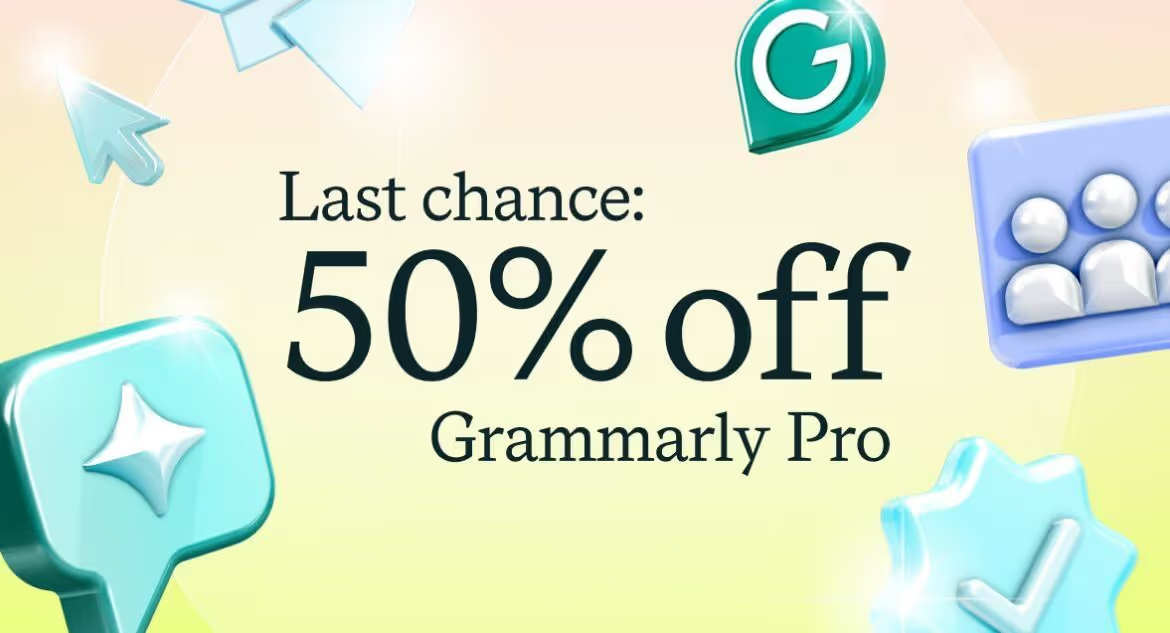
"Last chance" makes the stakes clear. It tells your audience this is their final opportunity to take advantage of what you're offering. This phrase works well in deadline-driven campaigns like seasonal sales, event registrations, or cart abandonment emails. It helps turn indecision into action by showing that the window to act is about to close.
Value-Based Selling Words
Value-based selling words focus on what matters most to your audience — the outcome. Instead of listing features, these words highlight benefits like saving time, lowering effort, or gaining something useful. They make it easy for readers to connect your offer to their own goals.
Words like "save," "get," and "maximize" are effective because they speak to tangible results. They tell your audience what they can expect, which helps build trust and reduce friction in the buying process.
In conversion copy, value-based language helps position your offer as a practical solution. It shifts the message from what your product does to why it matters, making it easier for people to take the next step.
26. Save
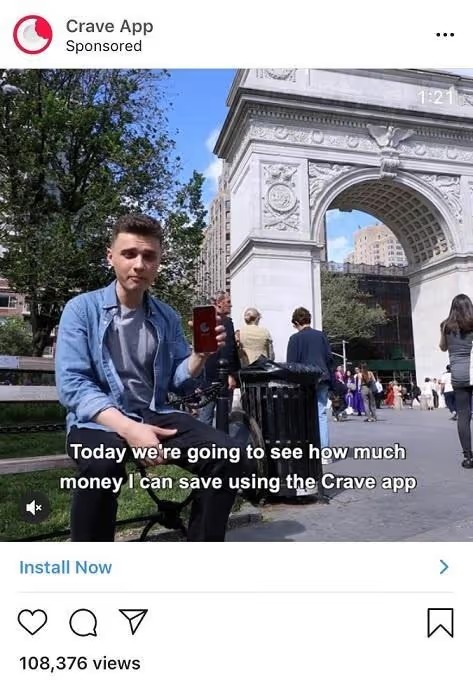
People enjoy saving money and time. You can use this word to trigger the desire to get something for less, imply that people are getting a deal, or explain how your brand will give people more free time. The food app Crave made a highly effective ad campaign entirely based on the idea of saving money that pulled in more than a hundred thousand views.
27. Free
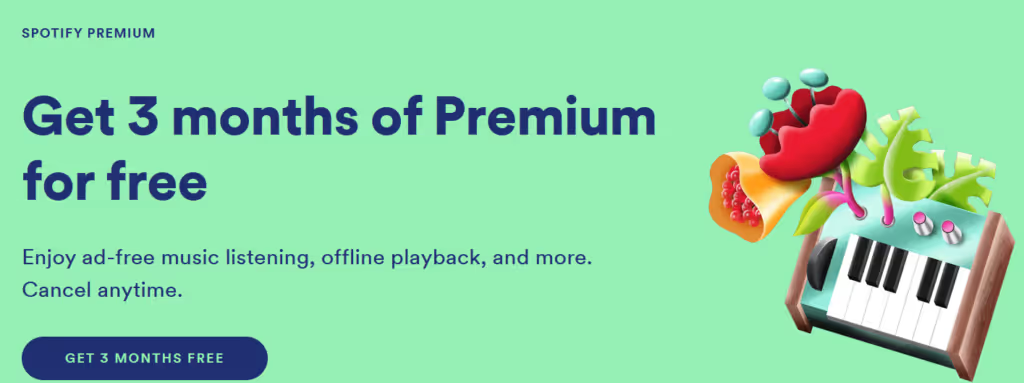
People like getting something for nothing. If you're offering anything for free, make it clear that you're doing it. You'll get more interested readers and build customer loyalty. This Spotify example uses the word multiple times to hammer home the idea that the prospect could get free music.
28. Get
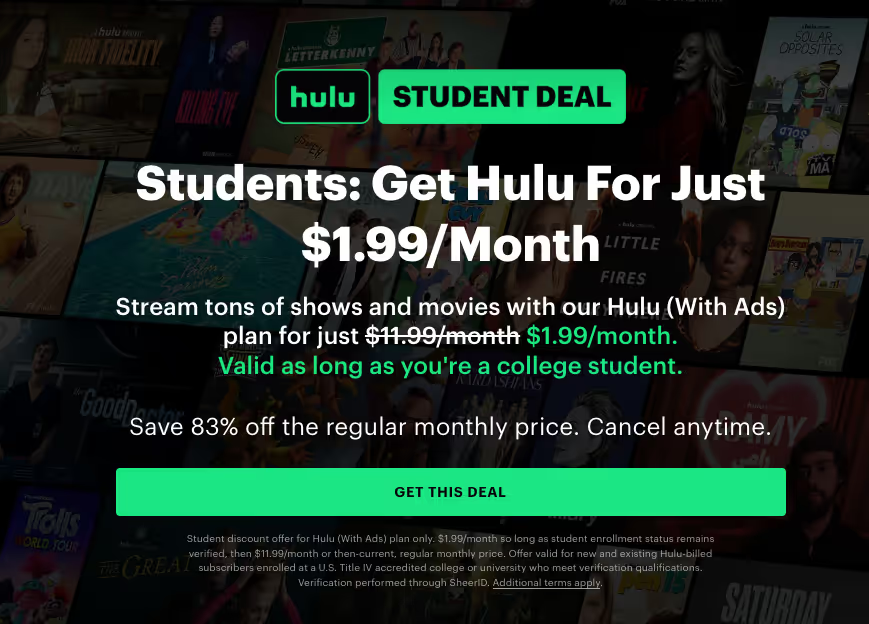
"Get" is one of the most effective value-based trigger words. It shifts the focus from what your brand offers to what your audience receives. This word creates a sense of ownership and immediacy, which makes it perfect for conversion-focused copy.
Hulu uses "get" to lead its student offer: "Get Hulu For Just $1.99/Month." The phrase makes the deal feel accessible and action-oriented, inviting readers to claim it and not simply consider it. It's repeated in the CTA button — "Get This Deal" — reinforcing that this is something the user can take advantage of right now. This word makes the benefit clear, while keeping the action simple.
29. Guaranteed
"Guaranteed" is a trust-building word that reduces perceived risk. It signals confidence in your product or service and gives your audience reassurance that they won't walk away disappointed. When used in conversion copy, it helps overcome hesitation by making the decision feel safer.
In this example, the phrase "100% Guaranteed" follows a strong benefit statement: "Noticeably Whiter Smile." The guarantee backs up the claim and shows the brand is confident in the outcome. For readers who may be unsure, this word provides the reassurance they need to move forward.

Words That Build Trust
Trust is a critical factor in every conversion. No matter how strong your offer is, people won't act unless they feel confident about who they're buying from. That's why trust-building words play such a key role in effective marketing copy. These words reinforce credibility and reduce uncertainty, especially at the point of decision.
Trusting words signal safety, reliability, and accountability. Words like "secure," "proven," or "authentic" help reassure your audience that your brand is dependable and your offer is legitimate. They're especially important when asking someone to provide sensitive information or commit to a purchase.
When your message includes language that builds trust, your audience is more likely to feel comfortable moving forward. These words help reduce resistance and create the kind of confidence that turns hesitation into action.
30. Proven
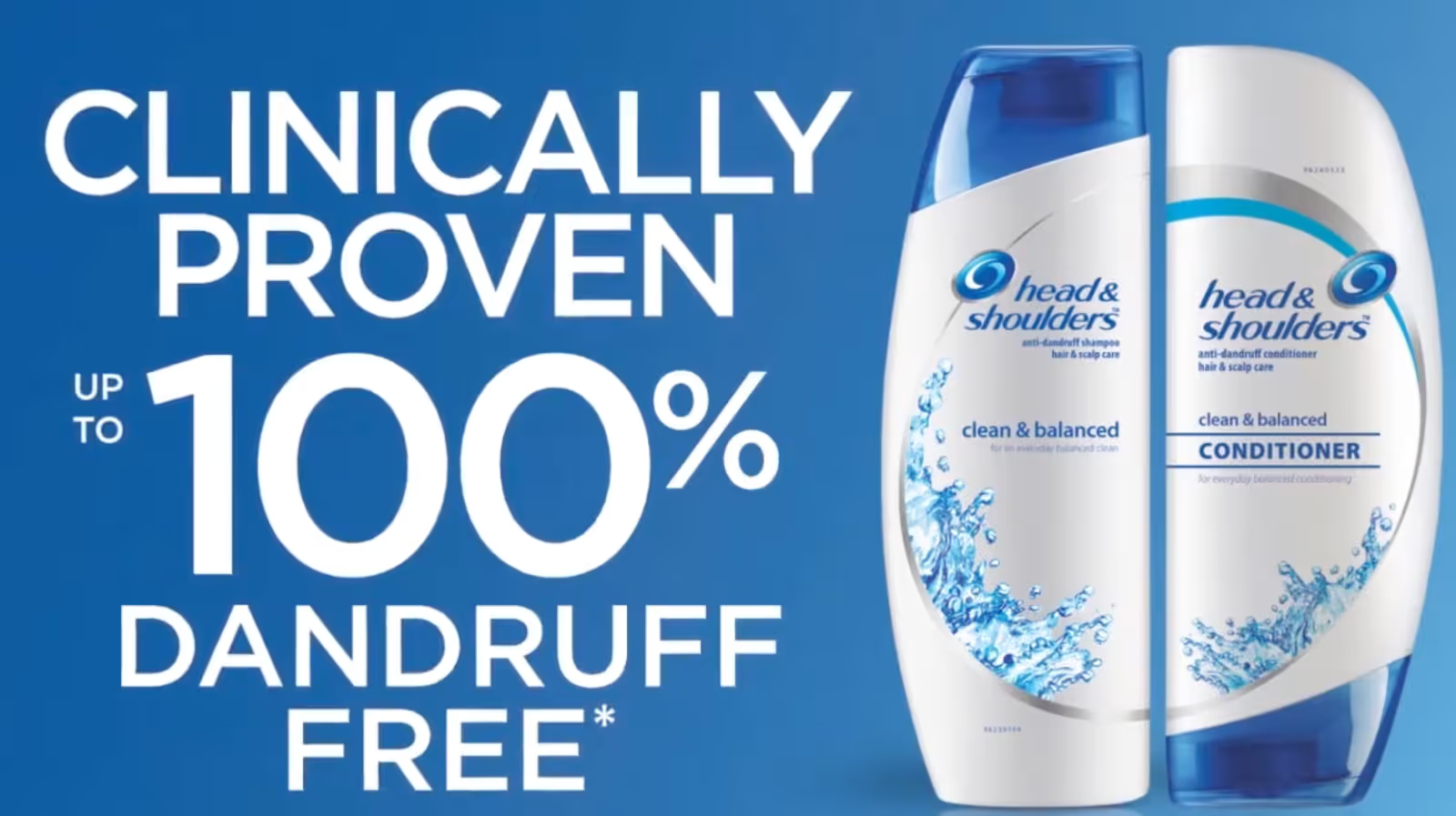
"Proven" is a credibility word. It tells your audience that the results you're promising aren't hypothetical — they're backed by evidence. This term is especially powerful in categories where trust is essential, like health, wellness, or finance.
In this Head & Shoulders ad, "Clinically Proven" appears in large, bold text alongside a claim of "up to 100% dandruff free." It signals that the product's effectiveness has been tested and verified. This language works because it moves the promise from marketing to fact. For customers who need results they can rely on, "proven" helps remove doubt and reinforces the brand's authority.
31. #1
The phrase "#1" signals authority and trust. It positions a brand or product as the top choice in its category, which can reduce hesitation and help buyers feel more confident about their decision. When supported by a credible source, this word acts as social proof that reassures skeptical or first-time customers.
In this CeraVe ad, the brand leads with a bold claim: "#1 Dermatologist Recommended Skincare Brand." This statement appeals to both expertise and popularity, framing the product as a trusted option in a crowded market. It's placed prominently next to the brand's logo and key benefit messaging, reinforcing that the product is not only effective but also widely endorsed.

32. Expert
"Expert" is a word that builds authority and reassurance. It tells your audience they're in capable hands and that your product or service is guided by real knowledge. This is especially effective in industries where trust and precision matter, such as healthcare, finance, or technology.
In this example, the phrase "Expert care, tailored to you" serves as both headline and promise. It immediately positions the service as professional and highly personalized. The supporting text reinforces this by highlighting one-on-one support from providers. The use of "expert" not only elevates the perceived quality of care but also reduces uncertainty for someone considering treatment.

Start Using Trigger Words To Strengthen Your Copywriting
Trigger words help your copy feel more intentional. They focus your reader's attention and make your message easier to trust. When your language matches your audience's priorities, the path to conversion feels natural.
Trigger words are most effective when they’re backed by a thoughtful strategy. If your content isn't delivering the results you expect, Compose.ly can help. Our vetted writers understand how to pair emotional, value-driven language with SEO best practices to move readers from interest to action. Together, we can refine your message and turn engagement into measurable growth.


