
.svg)
.svg)

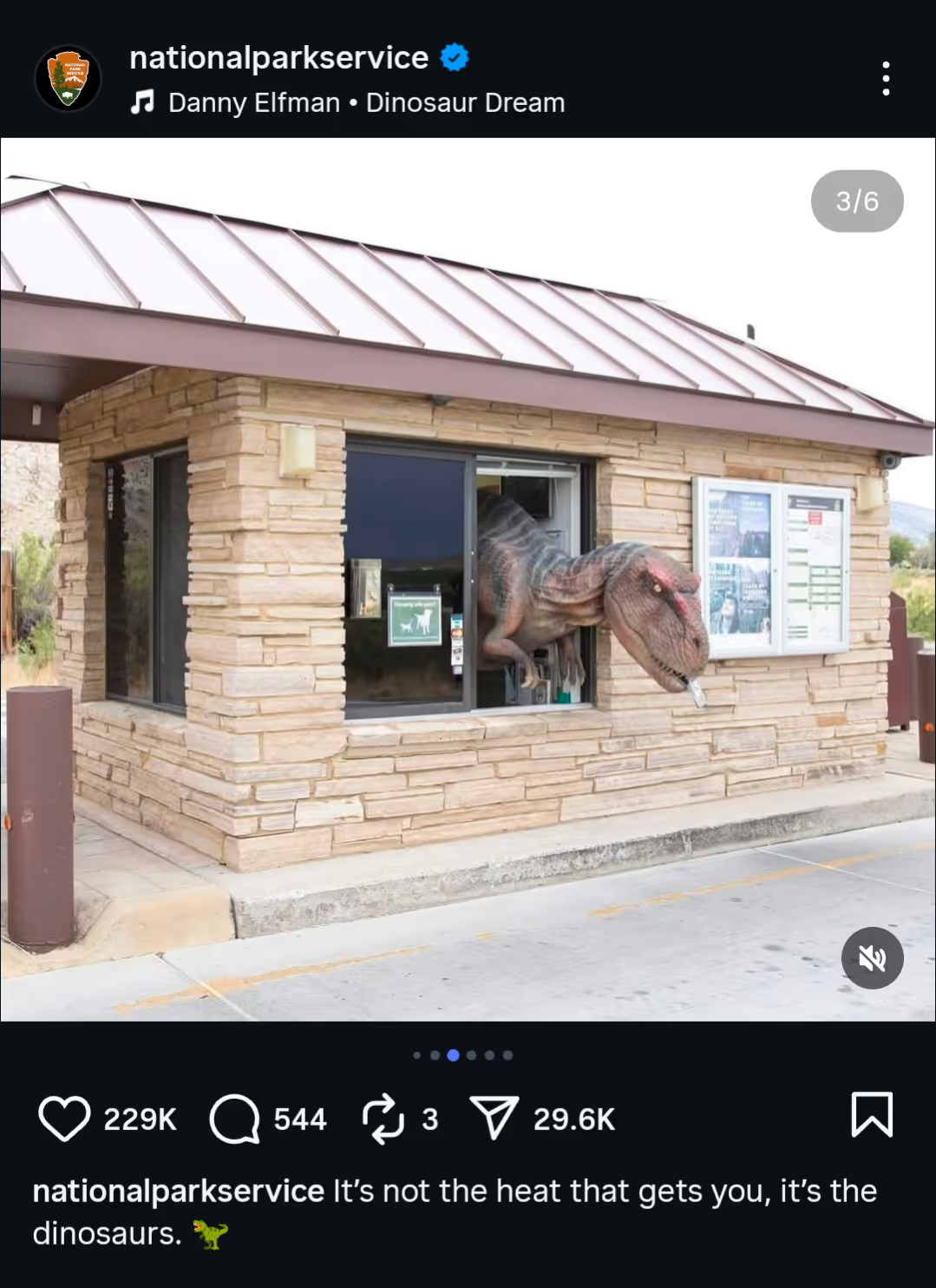
Three days after Jurassic World Rebirth premiered, the National Park Service’s Instagram shared photos of dinosaurs roaming through the parks. The giant reptiles peered out of ranger stations, admired the sunset, and even playfully chomped an employee’s head. But it wasn’t all silly. In the caption, the organization shared practical tips about beating the heat and avoiding dinosaurs — and, you know, regular wildlife.
Cultural references are just one way that brands are using real-time marketing (RTM) to get followers talking. This approach draws on current trends and events as they happen, not weeks or months later. That way, your content always feels refreshing and more “with it” than slower competitors.
Of course, real-time marketing isn’t as simple as pulling up today’s news and whipping up a meme (well, sometimes). Here’s how to decide when to use it, the best channels, and tips for speedy content creation.
What Real-Time Marketing Really Means
Real-time marketing means responding in the moment to customer feedback or trends and sharing messages quickly. Instead of spending weeks perfecting a campaign, you’re always on the prowl for new opportunities to share the hottest content.
There are two types of real-time digital marketing strategies:
- Real-time content marketing: You might hear this called “news-jacking.” It involves creating timely blog posts, videos, and other content on hot topics. For example, when customers noticed that restaurants were passing off generic ketchup as Heinz, the company quickly responded with playful commercials with a “color test” to help people spot the real thing.
- Real-time contextual marketing: This approach uses customer insights for personalized, in-the-moment marketing. Is someone researching flights to Paris? A travel website could automatically send them a text message with a discount on a romantic hotel room overlooking the Eiffel Tower.
Core Benefits of Real-Time Marketing
Creating content in real-time may seem stressful, especially if you’re used to a slower marketing pace. But this approach has significant payoffs.
When you chime in on conversations that already have people buzzing, your content is more likely to rise to the top of search results.
It also boosts customer engagement. People respond to content that fits their current interests or needs. Just think about it — would you rather comment on a social media post about a current event, a hot new TV show, or something random?
That all adds up to more effective campaigns. By sharing the most relevant content — and not spending weeks obsessively tweaking it — you can increase your return on investment (ROI).
When and Where To Use Real-Time Marketing
Like any marketing strategy, there’s a time and a place for real-time content. Here are a few situations where it works particularly well:
- During product launches
- In response to live events, such as Airbnb’s 2024 Olympics campaign
- When providing customer support
- When there’s breaking news in your industry
- When using trending hashtags
Channels That Work Best for RTM
When you’re marketing in real time, traditional methods like billboards and magazine ads are just too slow. You need flexible digital channels that allow you to respond in the moment.
Social media is an obvious starting point. Platforms like Instagram and TikTok let you edit and post content in minutes. You can also use LinkedIn to jump into trending online discussions.
Consider email and SMS marketing, too. These channels let you respond to clients’ real-time journeys with almost instant messages. This could be as simple as sending custom discounts — “50% off floral dresses!” — while someone browses your site. Small gestures like these can go a long way toward building customer loyalty.
How To Spot Opportunities in Real Time
Brainstorming RTM marketing ideas is like a never-ending scavenger hunt.
Market research can help you start uncovering shiny gems. Study your customers’ behavior, such as:
- Content preferences
- Feedback
- Loyalty
- Product usage
- Purchasing habits
As you build your customer data profile, look for opportunities to respond in real time. For example, if customers suddenly start praising your recyclable packaging, you could share videos about your eco-friendly practices on Facebook. Or pass along that feedback to your product development team, so they can focus on more eco-friendly items.
The news is another fantastic resource, but tread carefully. Focus on relevant stories that are memorable and — this is key — positive, or at least not depressing. A breaking story about a new technology? Great source material. A devastating hurricane that’s destroyed homes? Definitely not — unless you’re sharing condolences or pledging donations.
Social listening tools can also help you collect customer insights. For instance, you could track trending hashtags on TikTok and use them to inspire your next video.
Recommended Tools for Trend Tracking
While most marketers would love to spend hours scrolling every day — “for research” — you probably don’t have time to be chronically online. These tools will help you discover current events and trends without manually searching the web:
- Brandwatch gives you in-depth customer analytics.
- Google Trends shows trending topics and search times over time.
- Meltwater lets you track and respond to real-time reviews.
- Talkwalker is great for social listening and monitoring the media for specific topics.
Content Creation Tips for Speed and Strategy
Real-time digital marketing means giving up your tightly controlled content calendar and going with the flow. Impromptu TikTok skits, blog posts about current events, memes — anything goes.
These tips will help you master the art of speedy content marketing:
- Pre-plan content for predictable events, such as the Super Bowl and movie premieres. For example, the National Park Service probably didn’t rush out to buy dinosaur costumes the day Jurassic Park premiered. They had them ready to go ahead of time.
- Build a team of reliable freelancers or partner with an agency. That lets you easily outsource blog writing, video creation, and other time-consuming tasks.
- Let go of perfectionism. Spontaneity is much more important than flawless editing here.
- Reduce the number of people who need to sign off on digital content.
- Create buyer personas so you know who you’re talking to.
- Use social media automation tools like Buffer or Sprout Social to quickly share content across platforms.
Real-Time Marketing in Action: Brand Examples
When Oliver Widger quit his 9-to-5 to sail to Hawaii with his cat Phoenix, millions of people followed along on Instagram and TikTok. e.l.f. Cosmetics used a plane to deliver a care package to Widger in the middle of the ocean. It was a great brand-building moment that made e.l.f. seem almost as adventurous as Widger.
Meanwhile, the Washington Post’s TikTok account frequently shares funny — and sometimes scathing — videos with news updates. The account has a recurring cast of actors for lightning-quick commentary.
Risks and Common Pitfalls To Avoid
Digital marketing in real time is spontaneous and fun, but that doesn’t mean anything goes. Here are a few ground rules:
- Check your tone, and avoid anything too controversial or negative. For example, don’t try to turn a deadly volcano eruption into a funny Instagram Reel.
- Make sure your audience has enough context to understand your references.
- Act fast. Trends and news get stale faster than donuts, so you’ll seem out of touch if you wait too long.
How To Measure Real-Time Marketing Success
While getting likes and views is encouraging, they don’t tell the full story about your performance. Use these metrics to see how people are responding to your RTM and improve your strategy:
- Brand sentiment
- Engagement rate (comments, likes, and shares)
- Impressions
- Number of sales
- Referral traffic
Build Your RTM Strategy for Long-Term Wins
Digital marketing in real time lets you show off your expertise with quick takes and trendy content. It also improves the customer experience by keeping your audience informed and entertained.
But you don’t have to go it alone. Compose.ly’s expert content writers can help you create in-the-moment articles, so you’re always ready for what comes next.


